

Why Tall Grass Is More Than an Eyesore
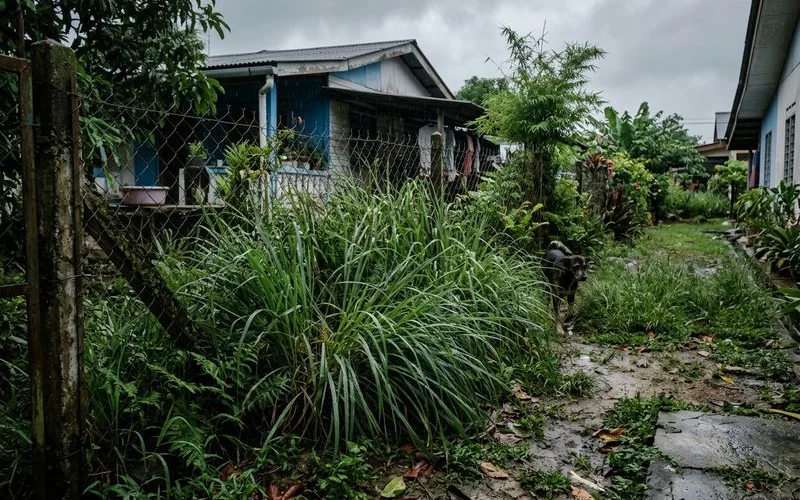
An overgrown lawn in Petaling Jaya isn’t just untidy, in the monsoon months it becomes habitat. The two complaints that drive our most urgent calls for lawn mowing across PJ are exactly the ones homeowners fear: a snake seen crossing the garden, and mosquitoes breeding faster than the family can swat them. Both trace back to the same root cause, and both have the same unglamorous fix.
What Tall Grass Offers a Snake
Snakes don’t seek out your garden; they follow cover and food. Tall, dense grass provides both: concealment from birds of prey and dogs, plus the rodents, frogs and lizards that also shelter there. PJ’s older neighbourhoods, anywhere backing onto reserves, streams, monsoon drains or undeveloped land, see the most snake movement, and an overgrown lawn along that boundary is effectively an invitation.
Cut the grass short and the equation flips. Open ground with no cover is risky territory for a snake, and the prey animals move on too. Trimmed fence lines and drain edges matter most of all, since boundaries are the corridors wildlife actually travels.
How an Overgrown Lawn Breeds Mosquitoes
Mosquitoes need two things from your garden: standing water to breed in, and damp, shaded spots to rest in. An unmaintained lawn supplies both. Long grass shades the soil so rain never fully dries, compacted patches pool water after every storm, and a thick mat of old clippings and thatch holds moisture for days. During the September-to-November monsoon, that cycle repeats with every downpour.
Aedes mosquitoes, the dengue carriers, famously breed in small containers, but the resting habitat your lawn provides keeps the adult population close to your house. Council fogging deals with adults for a day; removing the damp harbourage works every day.
The monsoon multiplier
Heat, rain and growth arrive together. The same weeks that make grass grow fastest are the weeks mosquitoes breed fastest and wildlife moves most, which is why an overgrown lawn in October is a much bigger problem than the same lawn in February.
The Fix Is Boring, and That’s the Point
No gadgets, no chemicals, no snake repellent powder of dubious effectiveness. The reliable fix is maintenance:
- Regular mowing keeps grass too short to hide anything, on a fortnightly cycle through the growing season, see how often a Malaysian lawn should be mowed for the full schedule.
- Edging and perimeter trimming clears the fence lines, drain edges and corners that mowers miss, the exact places snakes and mosquitoes favour.
- Clearing clippings and debris removes the damp organic layer that holds moisture. Leaving cut grass in heaps recreates the problem you just mowed away, which is why clearing clippings and debris is part of every proper visit.
- Fixing drainage where water pools after storms, so the breeding puddles never form.
Tidy Grounds Are Also Expected
Beyond safety, there’s the civic angle: MBPJ expects residential grounds to be kept tidy, and chronically overgrown lots generate complaints, attract dumping, and can draw enforcement attention. A maintained lawn keeps you onside with the council and the neighbourhood, worth remembering for landlords with vacant properties, where overgrowth happens fastest.
If Your Lawn Is Already Overgrown
Don’t wade in with a household mower, knee-high grass needs staged cutting with proper equipment, and it’s also exactly the situation where you want someone else’s boots in the grass first. A one-off rescue cut brings the lawn down safely, clears every clipping, and resets the garden to maintainable. You can book a rescue cut with a free quote by WhatsApp; send a photo and we’ll price it straight away. After that, a fortnightly plan keeps the snakes, mosquitoes and council letters permanently uninterested in your address.